Sydney has no shortage of coffee, but buying beans for home is a different decision from choosing a cafe. The useful question is not simply, "Which roaster is closest?" It is, "Which coffee will work with my machine, taste good in my usual drink and arrive in an amount I can use while it is fresh?"
When buying coffee beans in Sydney, look for a local roaster that explains the roast profile, flavour, recommended brew method and available bag sizes in plain language. Choose an espresso blend for an easy, consistent starting point, a single origin when you want more distinctive flavours, or decaf when caffeine is not part of the plan. Buy only what your household will comfortably use.
What to look for when buying coffee beans
A polished bag does not tell you whether the coffee belongs in your morning routine. A useful product page should give you enough information to make five decisions before checkout:
- How it tastes. Flavour notes such as milk chocolate, caramel, citrus or berries are more useful than a vague promise of "premium" coffee.
- How dark it is roasted. A medium roast usually keeps more brightness, while a medium-dark or dark roast tends to bring more body and roast character.
- What it is designed for. Beans intended for espresso behave differently from coffee roasted primarily for filter brewing.
- How strong it feels. Strength is partly about roast and body, not just caffeine. A bold-tasting dark roast is not automatically more caffeinated.
- How much you can order. The right bag size keeps the cost sensible without leaving coffee open for longer than necessary.
Peak Hour product descriptions put these details together so you can compare coffee by the drink you actually make. You can browse all Sydney-roasted coffee beans in one place.
Choose a coffee style that fits your cup
Start with your usual order. This removes most of the guesswork and is more reliable than choosing a bag because its tasting notes sound impressive.
For flat whites, lattes and cappuccinos
Milk softens acidity and lighter flavours. Look for a medium-dark espresso blend with enough body to remain clear once milk is added. Chocolate, caramel and nut notes are a dependable match. Peak Hour's 6:30 Everyday Espresso is built around that smooth, chocolate-forward style, while 8:15 Strong Espresso suits people who want a bolder cup.
For straight espresso and long blacks
You will taste more of the coffee without milk, so balance matters. An espresso blend is forgiving and consistent. A medium-roasted single origin can bring more fruit, floral character or acidity, but it may need a more careful grind adjustment.
For pour-over, batch brew and plunger
Choose beans described for filter or black coffee. Medium roasts and seasonal single origins often make the origin character easier to notice. If you move between espresso and filter, do not assume the same grind will work for both.
For coffee after lunch
Good decaf should be chosen by flavour and brew method, not treated as a compromise. A medium-dark decaf with chocolate and caramel notes can work in the same milk drinks as an everyday espresso blend.
| Your usual drink | Useful starting point | Flavours to look for |
|---|---|---|
| Flat white or latte | Medium-dark espresso blend | Chocolate, caramel, nuts |
| Espresso or long black | Balanced blend or medium single origin | Cocoa, fruit, brown sugar |
| Pour-over or batch brew | Medium single origin | Seasonal fruit, florals, clean finish |
| Evening coffee | Espresso-focused decaf | Chocolate, caramel, gentle sweetness |
Understand freshness without chasing a magic date
Fresh coffee matters because roasted beans gradually lose aroma and flavour as they are exposed to oxygen. That does not mean coffee must be brewed on the day it is roasted. Freshly roasted beans release gas, and espresso can be unsettled until the coffee has had some time to rest.
A good routine is more useful than a rigid freshness rule:
- Buy from a roaster with a regular roasting schedule.
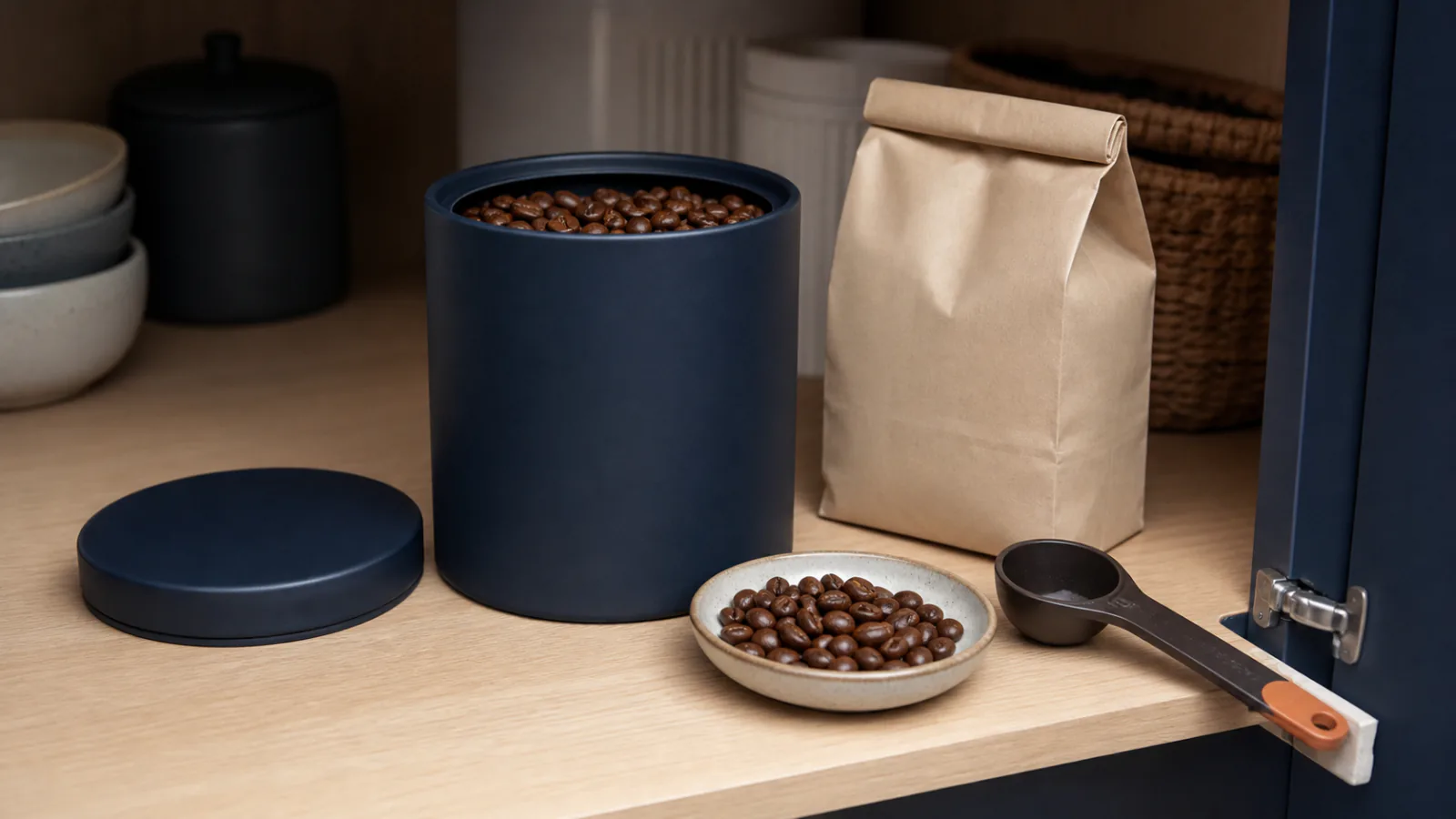
- Keep the bag sealed between brews and store it in a cool, dark cupboard.
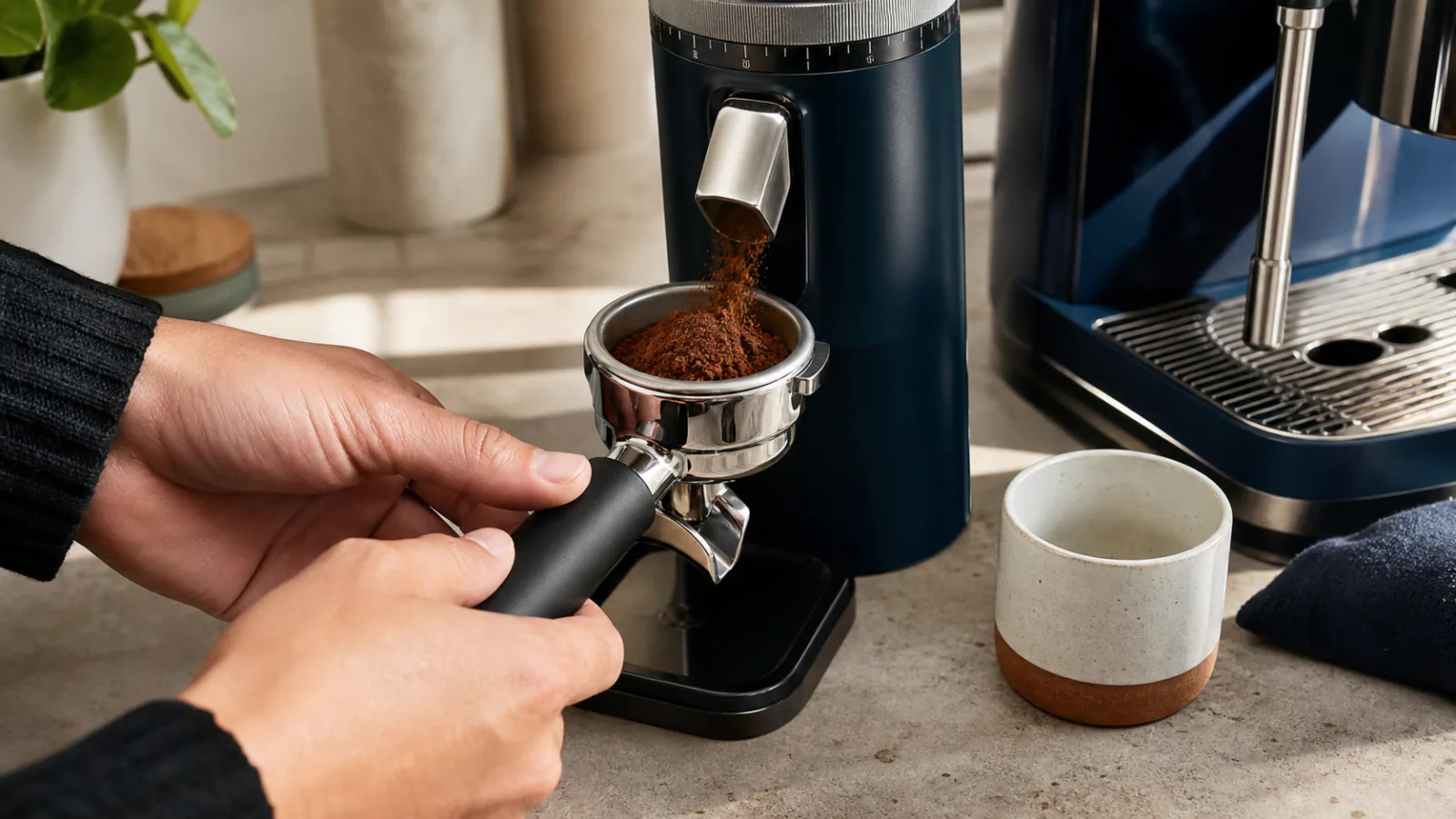
- Grind immediately before brewing when you can.
- Order an amount that fits your actual consumption.
- When a new bag behaves differently, adjust the grind before blaming the beans.
For more detail, read our guide to storing coffee beans in a Sydney kitchen.
Pick a bag size you can finish comfortably
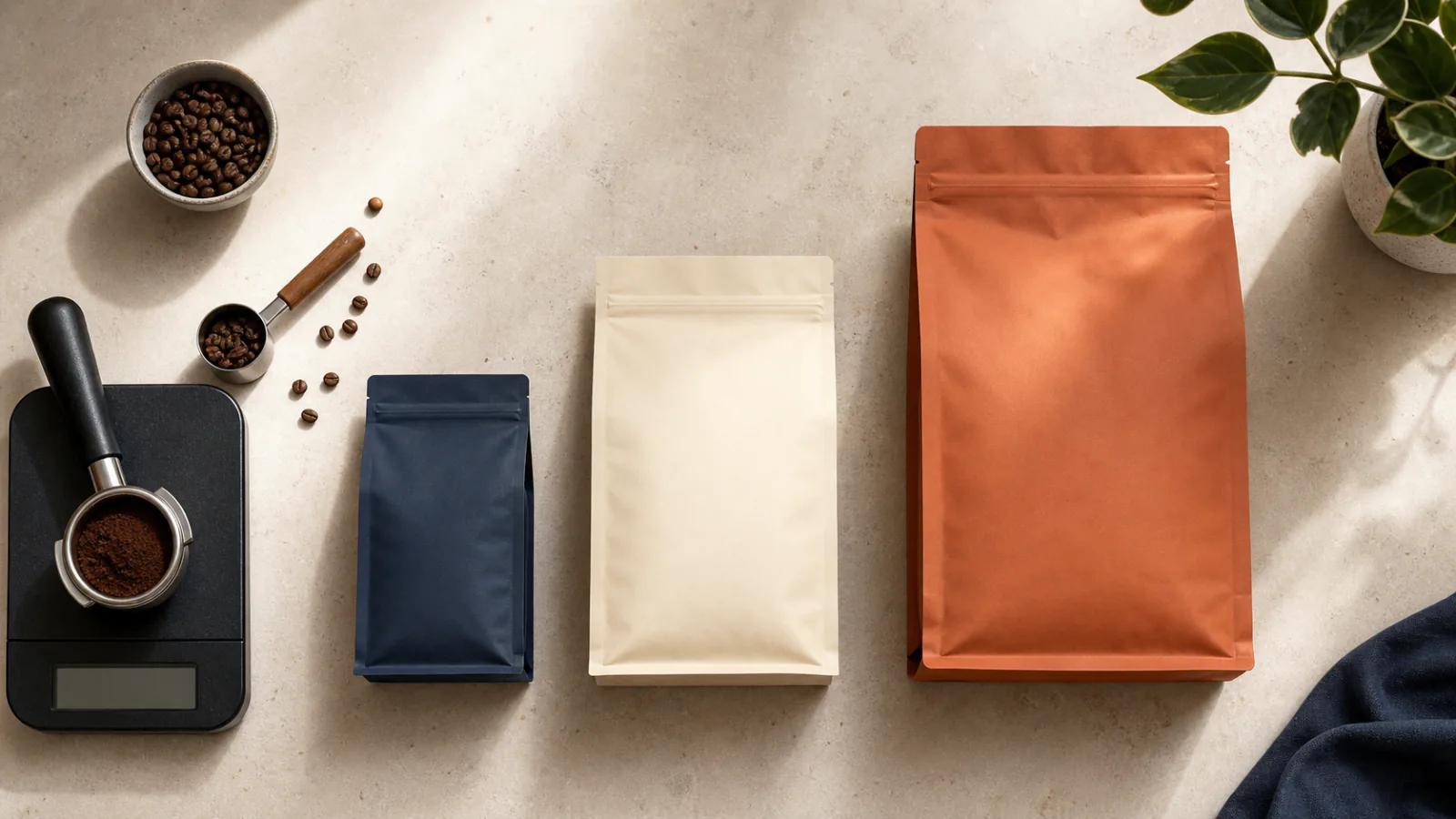
A typical home espresso recipe uses about 18 grams for a double shot. On that basis, a 250 g bag makes roughly 13 coffees, a 500 g bag makes about 27 and a 1 kg bag makes about 55. Some coffee will also be used while adjusting the grinder.
| Bag size | Approx. double shots | Useful for |
|---|---|---|
| 250 g | 13 | One daily coffee, trying something new, or switching between coffees |
| 500 g | 27 | One to two daily coffees with a reliable reorder rhythm |
| 1 kg | 55 | Busy households, several daily coffees, or portioned freezer storage |
If you want a calculation based on your household, use our full coffee bag size guide.
A simple Sydney coffee-bean checklist
Before you place an order, check the following:
- Roasted locally: local roasting can make the route from roaster to your kitchen shorter and easier to understand.
- Clear brew guidance: the page says whether the coffee suits espresso, milk drinks, black coffee or filter.
- Useful flavour notes: you can picture the style without needing a coffee glossary.
- Whole-bean option: whole beans let you grind for your machine immediately before brewing.
- Practical sizes: you can buy for your routine rather than defaulting to the biggest bag.
- Simple delivery terms: shipping cost, subscription savings and order flexibility are easy to find.
Coffee beans Sydney: common questions
Are locally roasted coffee beans automatically better?
No. Location alone does not guarantee quality. Local roasting is useful because it can shorten the supply path, make roasting information easier to find and give you a consistent place to reorder. Taste, roast quality and how well the coffee suits your brew method still matter.
Should I buy a blend or single origin first?
Choose a blend if you want consistency, body and an easier starting point for espresso. Choose a single origin when you want to explore a more distinctive seasonal flavour, especially for long black or filter coffee.
Is whole bean better than pre-ground coffee?
Whole bean gives you more control and usually keeps its aroma for longer because less surface area is exposed to air. Pre-ground can still be practical if you do not own a grinder, but it should be ground for your specific brew method.
What coffee works well in a Breville-style home machine?
A balanced medium-dark espresso blend is a forgiving place to start. Pair it with a consistent dose and change the grind setting until the shot tastes balanced. Our guide to choosing beans for a home espresso machine walks through the process.